FIGHT — AND YOU WILL OVERCOME!
TARAS SHEVCHENKOWE MUST LEARN TO HEAR OURSELVES AS UKRAINIANS — NOT HALYCHYNA UKRAINIANS, NOR BUKOVYNA UKRAINIANS, BUT UKRAINIANS WITHOUT OFFICIAL BORDERS.
IVAN FRANKOTHEY WHO LIBERATE THEMSELVES, WILL BE FREE.
LESIA UKRAINKAEVEN IN THE MOST UNFORTUNATE CIRCUMSTANCES, A PERSON KNOWS HOW TO BE HAPPY.
YURII SHEVELOVWHAT IS DESTINED FOR ONE, WILL NOT PASS ONE BY.
OLHA KOBYLYANSKALOVE UKRAINE: NOT WITH A FLOOD OF LOUD AND NOISY WORDS, BUT WITH QUIET AND TIRELESS WORK.
ANDREY SHEPTYTSKYIA PEOPLE THAT LIVES FREELY HAS TWO SANCTITIES: ITS OWN SCHOOL AND ITS OWN ARMY.
SOFIA RUSOVATO MAKE WELL-MEANING HISTORY IS MORE IMPORTANT THAN TO WRITE ABOUT IT BEAUTIFULLY.
MYKHAILO HRUSHEVSKYITHE LANGUAGE WE SPEAK AND THINK IN IS NATIVE TO US; AS THE LANGUAGE IS, SO WILL BE OUR THOUGHTS.
BORYS HRINCHENKOLOVE ARISES FROM LOVE; WHEN I WANT TO BE LOVED, I AM THE FIRST TO LOVE.
HRYHORII SKOVORODA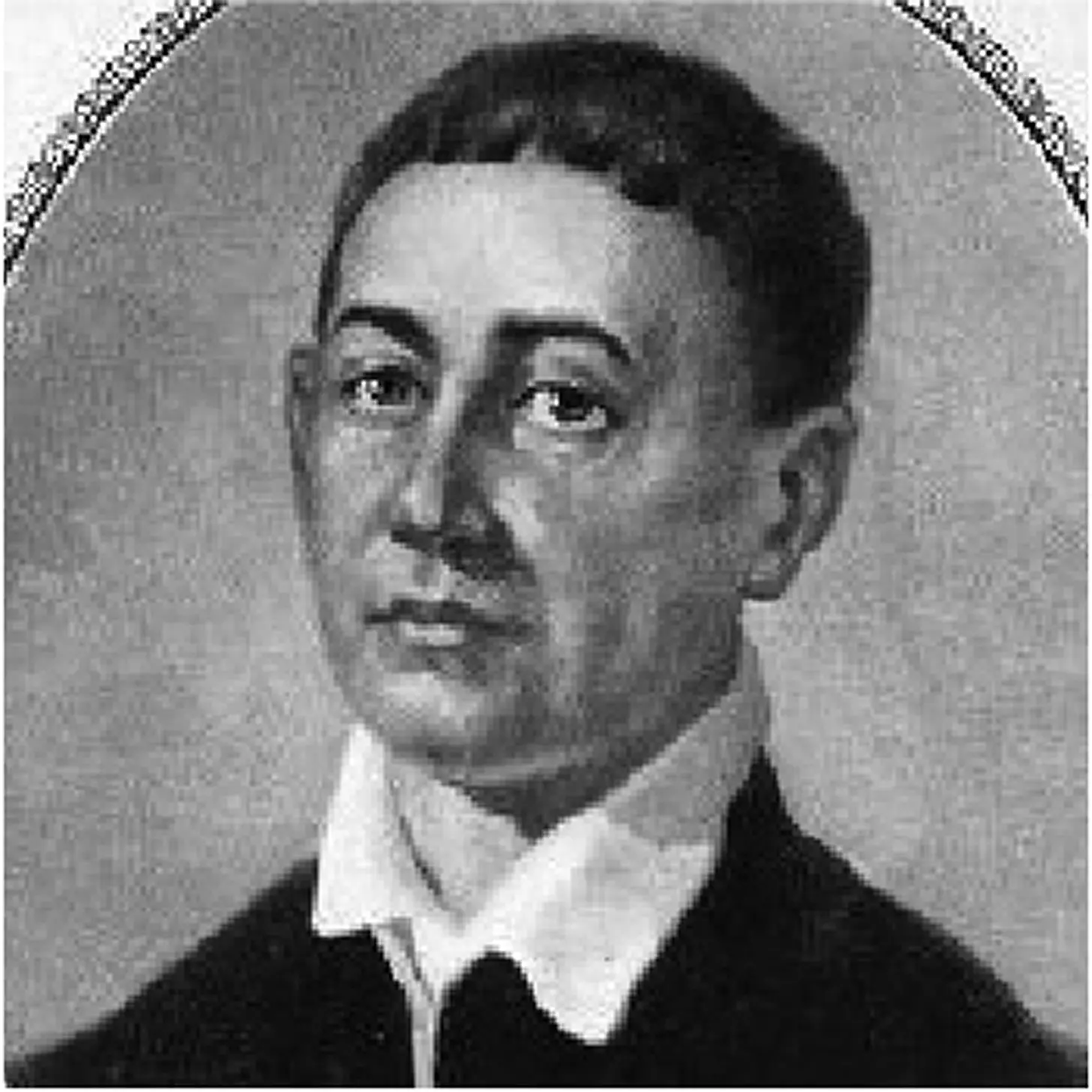
Who was Hryhorii Skovoroda? A philosopher who wrote extensively but published nothing during his lifetime. A remarkable singer and composer who turned down a court career in favor of research and teaching. A principled wanderer who visited Vienna and Bratislava, yet spent most of his life — about a quarter of a century — on the roads of Slobozhanshchyna. Ukraine’s first hippie and downshifter, who nevertheless did not refuse extended stays with wealthy acquaintances.
But that is not all. Skovoroda was a watershed figure between 2 Ukraines: the old Hetmanate and the new one, actively seeking firm national self-definition. Ancient Ukraine and modern Ukraine — with Skovoroda standing between them as proof that one can live at the crossroads of epochs and not lose oneself.
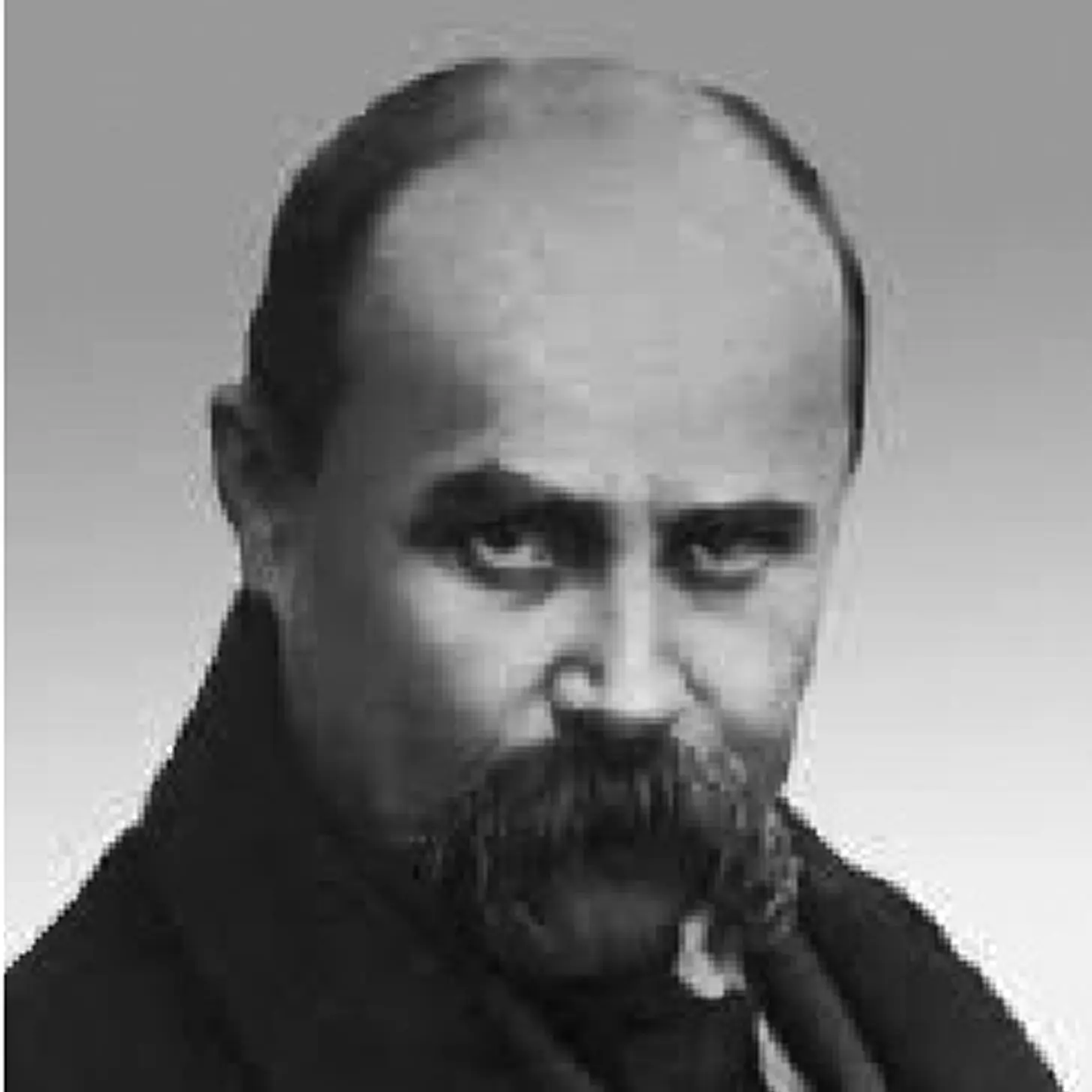
A poet, artist, and thinker whose work became a symbol of the struggle for freedom and dignity of our people. In today’s world, the story of Taras Shevchenko would accurately be called a success story. A simple village boy, he went from being a serf to becoming a free man and an academic.
Shevchenko was the first people’s poet, writing in the language of ordinary people. He not only used familiar words, but gave voice to the feelings and aspirations of millions — to be free, to have their own state, to speak their language without fear. He was the one who, across the centuries, managed to grasp the very essence of the Ukrainian people, and the only one who could capture it in poetry so powerfully that it became national ethos.
In the end, he did not succumb to the temptation of a comfortable place among the top poets of the Russian Empire, but chose instead to be the first true voice of a distinctive Ukrainian culture.
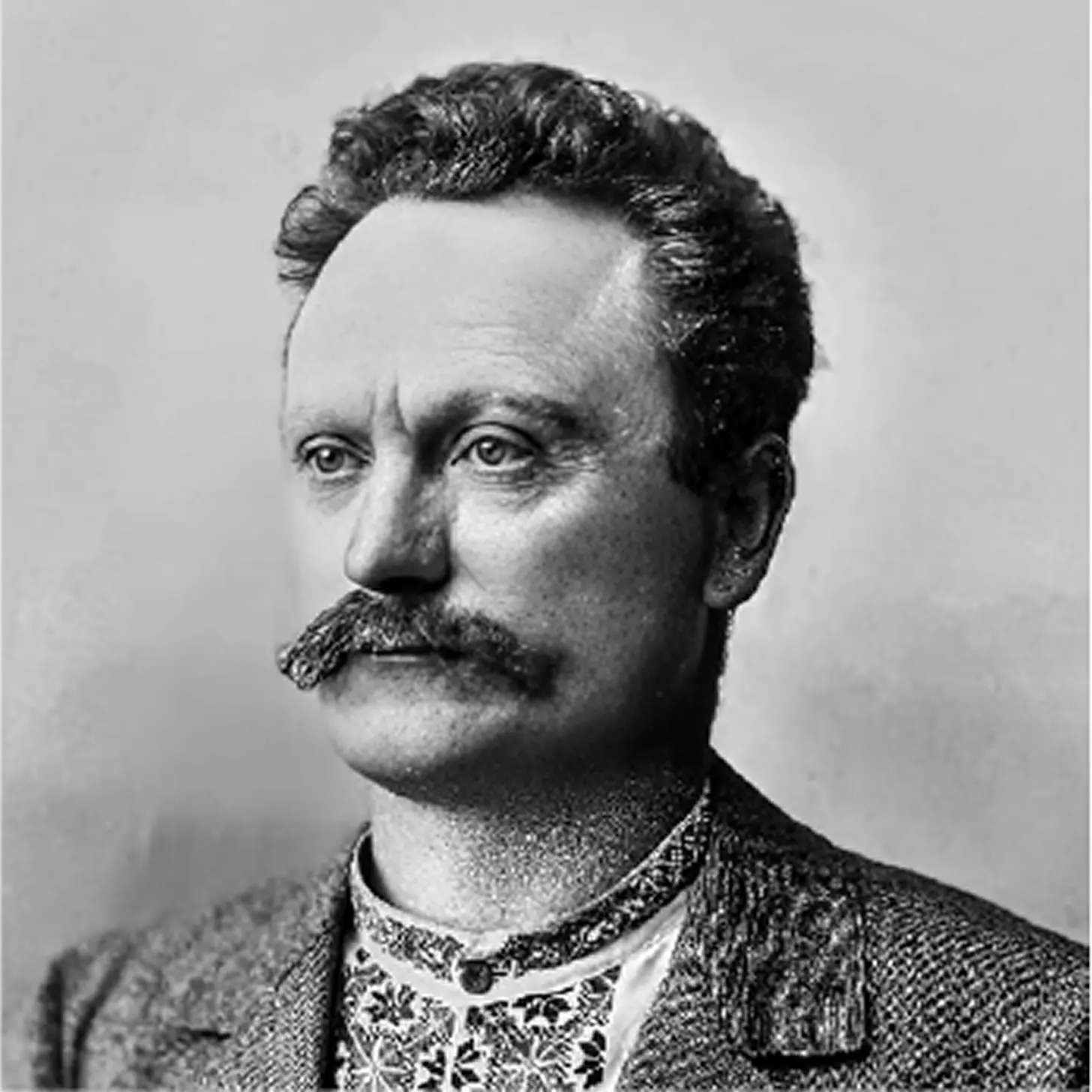
An epoch-defining Ukrainian writer who, during his lifetime, was also known as a scholar, translator, activist, and co-founder of the Ukrainian Radical Party — the first European-style political organization. The universities of Lviv and Chernivtsi, where he studied, are as proud of him as the University of Vienna, where he defended his doctoral dissertation.
He was a man of extraordinary range, renowned for his exemplary translations of classical antiquity, his socio-critical short stories, and his intimate lyric poetry. It is difficult to imagine anyone who could boast of having read all of Franko’s works, since the number of his writings reaches into the thousands. Yet we remember him not as a cloistered scholar, but rather as a revolutionary and thought-leader who knew how to speak to the feelings of an entire people.
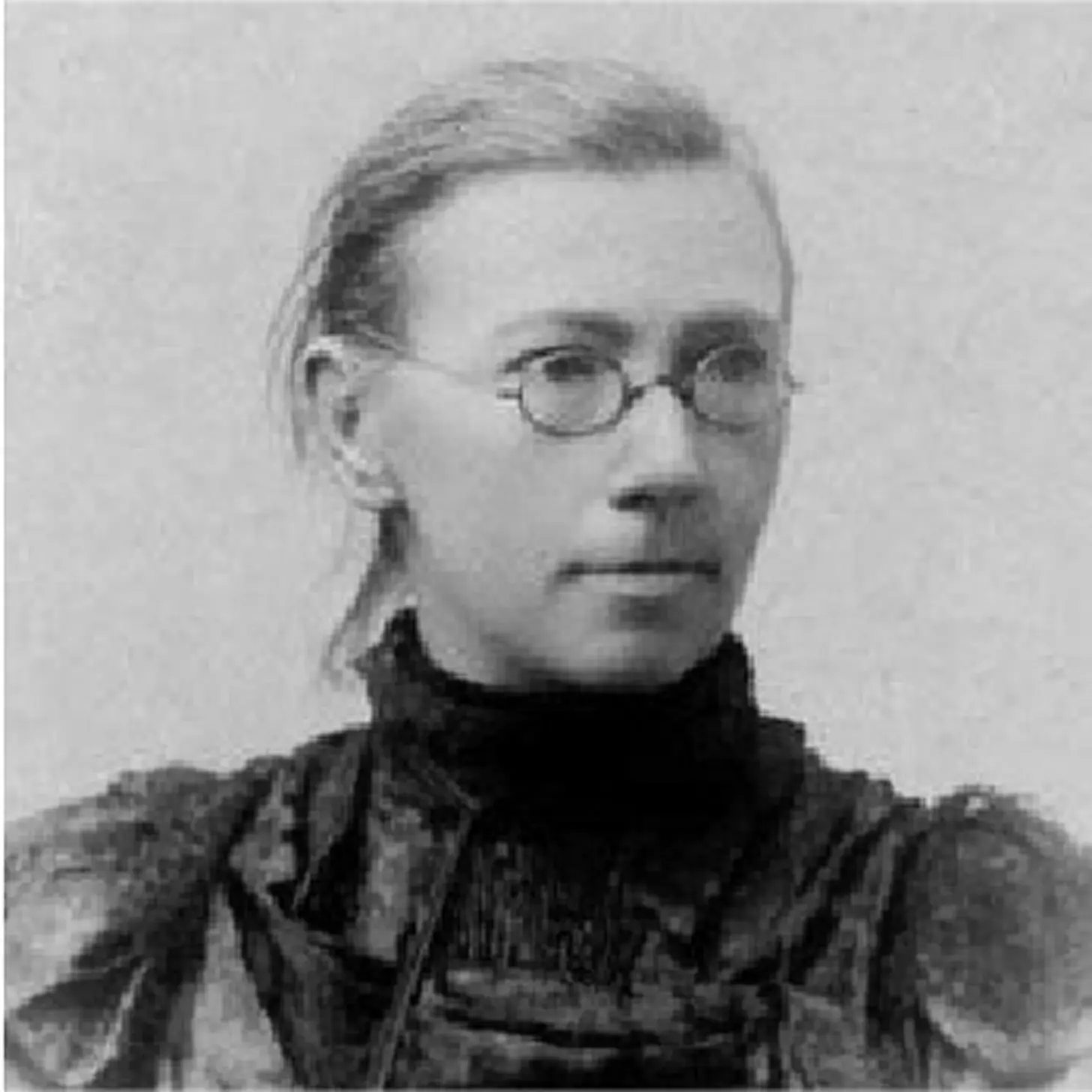
Sofia Rusova was born into the French-Swedish Lindfors family. Her grandfather was a Swede, who rose to the rank of general in the Russian army and took part in the Napoleonic Wars; her father — a general and participant of the Russo-Turkish War; her mother came from the French Gervais family. At first Rusova had no ties to Ukraine. Yet she went down in history as a bold thinker and civic activist who devoted her life to the Ukrainian cause, to pedagogy, and to gender equality. During the time of the Russian Empire, she founded educational institutions, organized public readings in Ukrainian, ran clandestine schools, and took part in Ukrainian societies, publishing Ukrainian books and journals. Later, she became a member of the Ukrainian Central Rada; under Hetman Skoropadskyi she headed the Department of Preschool and Extracurricular Education and worked on the de-russification of schools.
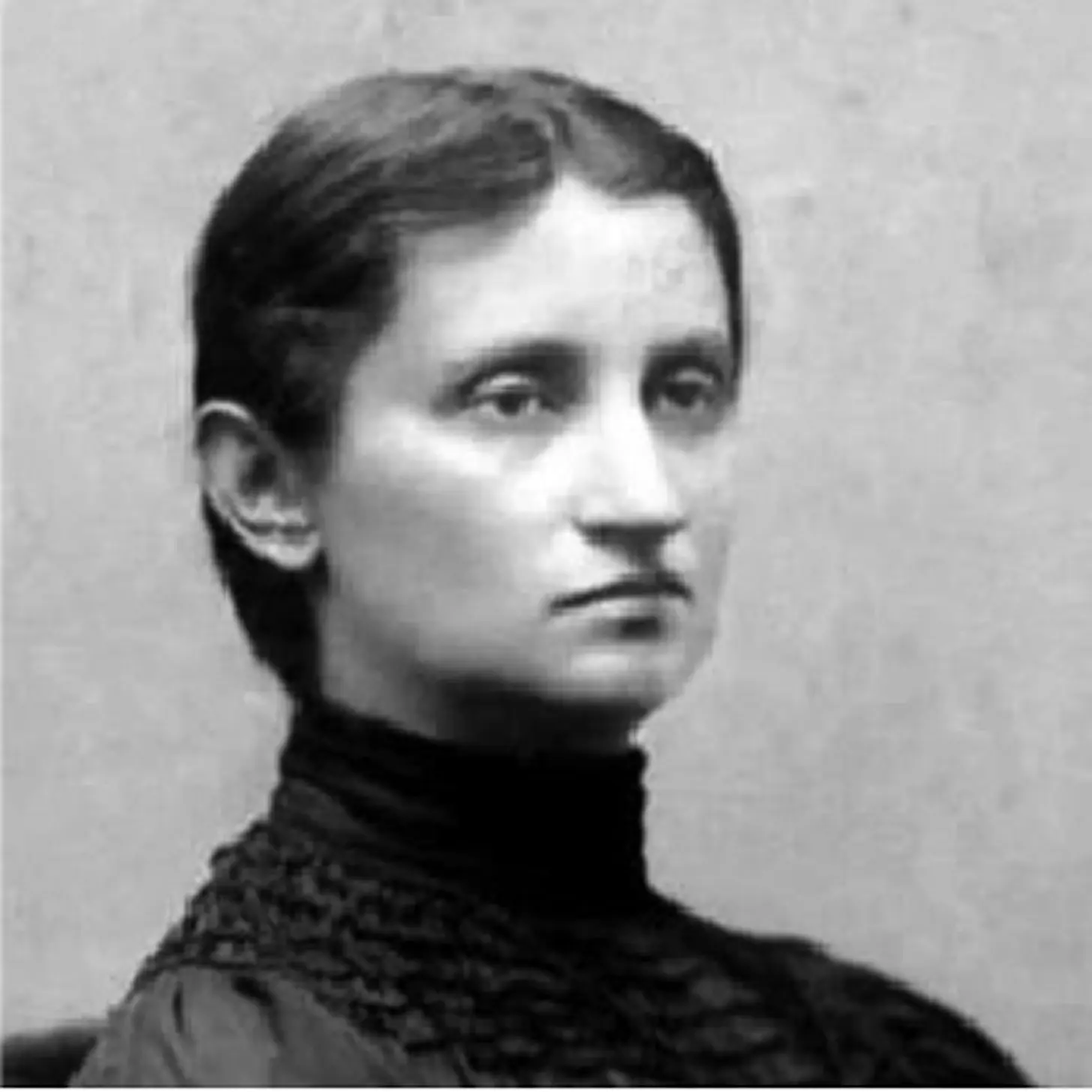
What unites Olha Kobylianska with millions of Ukrainians is that our language and culture were not given to her by birth, but became a conscious choice. Her first literary works were written in German, but over time she became known in Europe specifically as a Ukrainian author. During her lifetime, Kobylianska’s work was published and translated into German, Czech, and Polish. Lesia Ukrainka was an ardent admirer of her work, comparing Olha to George Sand and identifying her as a writer of the new neo-Romantic school. Kobylianska remains a symbol of the first wave of European feminism in Ukraine and an inspiration for those who seek to act and think freely.
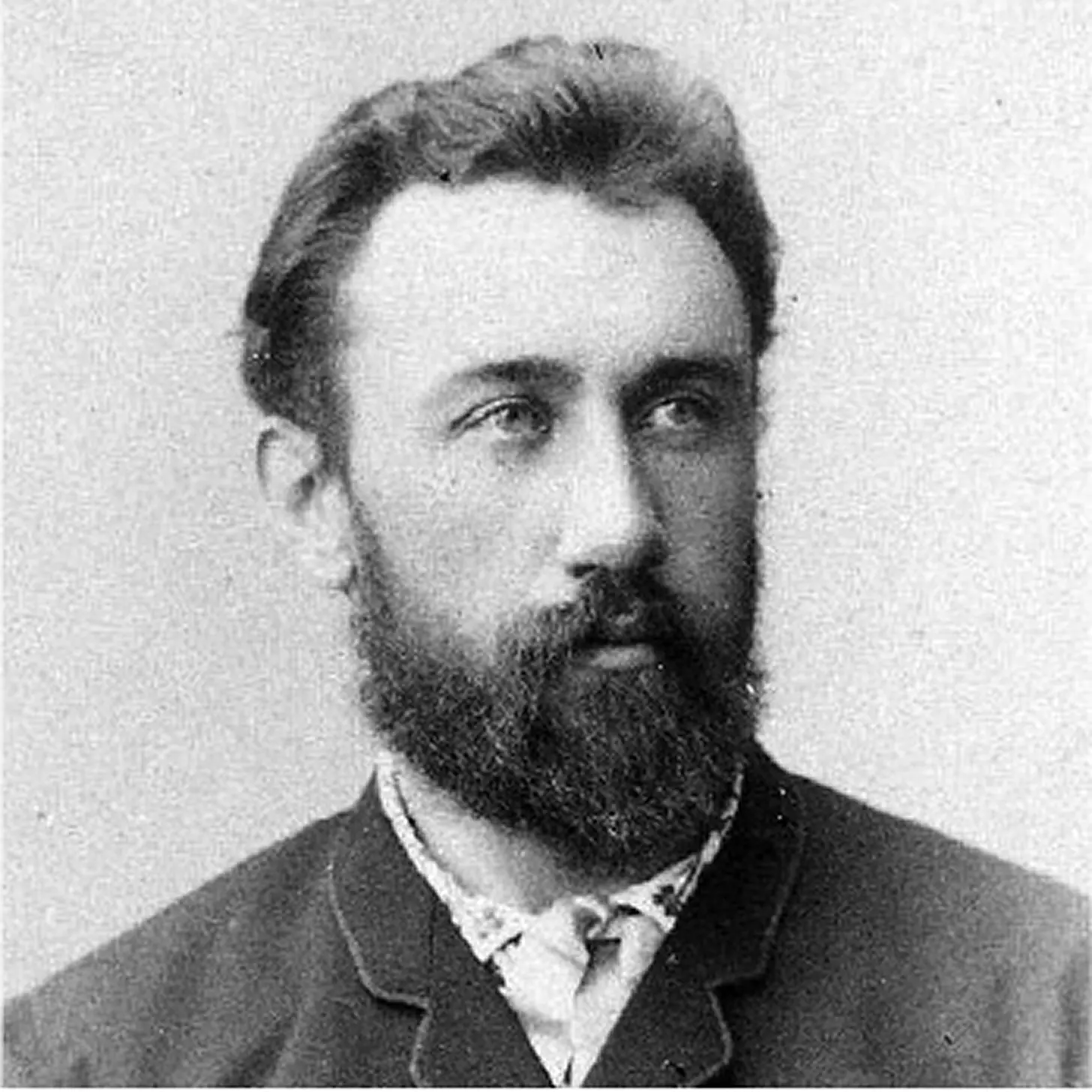
A child prodigy, Borys Hrinchenko learned to read at 5; at 18 he passed external examinations at Kharkiv University and became a teacher. He belonged to the group of people who, in the nineteenth and early twentieth centuries, despite imperial bans and censorship, collected, described, and preserved the treasures of our heritage — language, literature, folklore, and traditions. His Dictionary of the Ukrainian Language became one of the first fundamental works in the field of lexicography. Like many of his contemporaries, including his associate Ivan Franko, he did not confine himself to scholarship but was also a civic and political activist: a co-founder of multiple Ukrainian political parties and of the Prosvita society. In Kharkiv, he became one of the founders of a secret political organization, The Brotherhood of Taras, whose members pledged fealty at the grave of the Kobzar, Taras Shevchenko, to spread his ideas by all possible means.
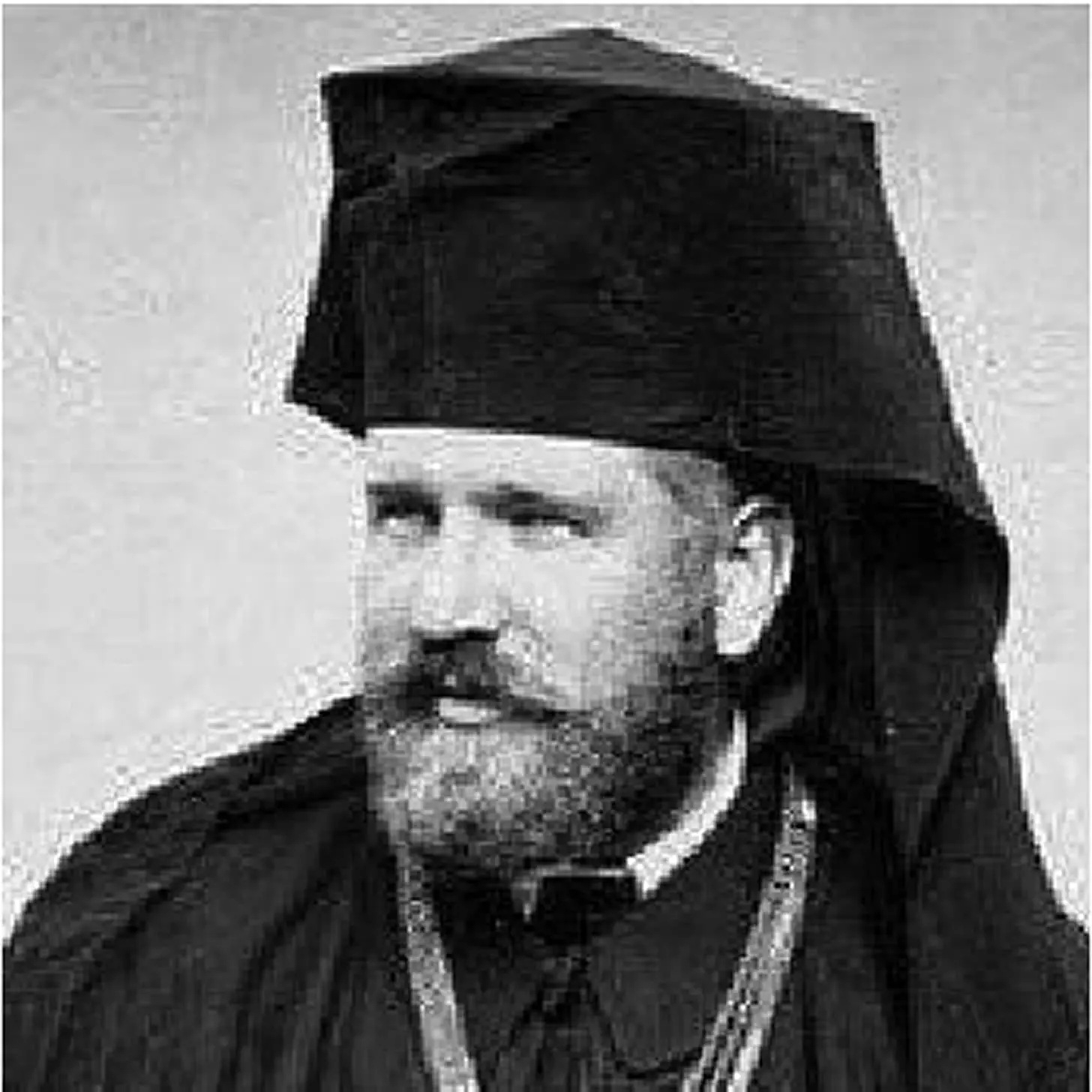
An aristocrat from a count’s family with an outstanding legal education, in his early youth Andrey Sheptytskyi chose to become a monk and devote himself to the Church. At the age of 33, he received a nomination from Emperor Franz Joseph I of Austria to become a bishop, and just 2 years later he assumed leadership of the Metropolis of Halych and the entire Ukrainian Greek Catholic Church.
He was one of the greatest philanthropists of his time and one of the most powerful and influential Ukrainian voices in the Habsburg Empire, in interwar Poland, and even during Nazi and Soviet occupations. Despite criticism and threats from various authorities, he consistently supported Ukraine’s independence. For millions, he became a symbol of courage, as he never abandoned his followers — not in times of war, nor during repression or pogroms.
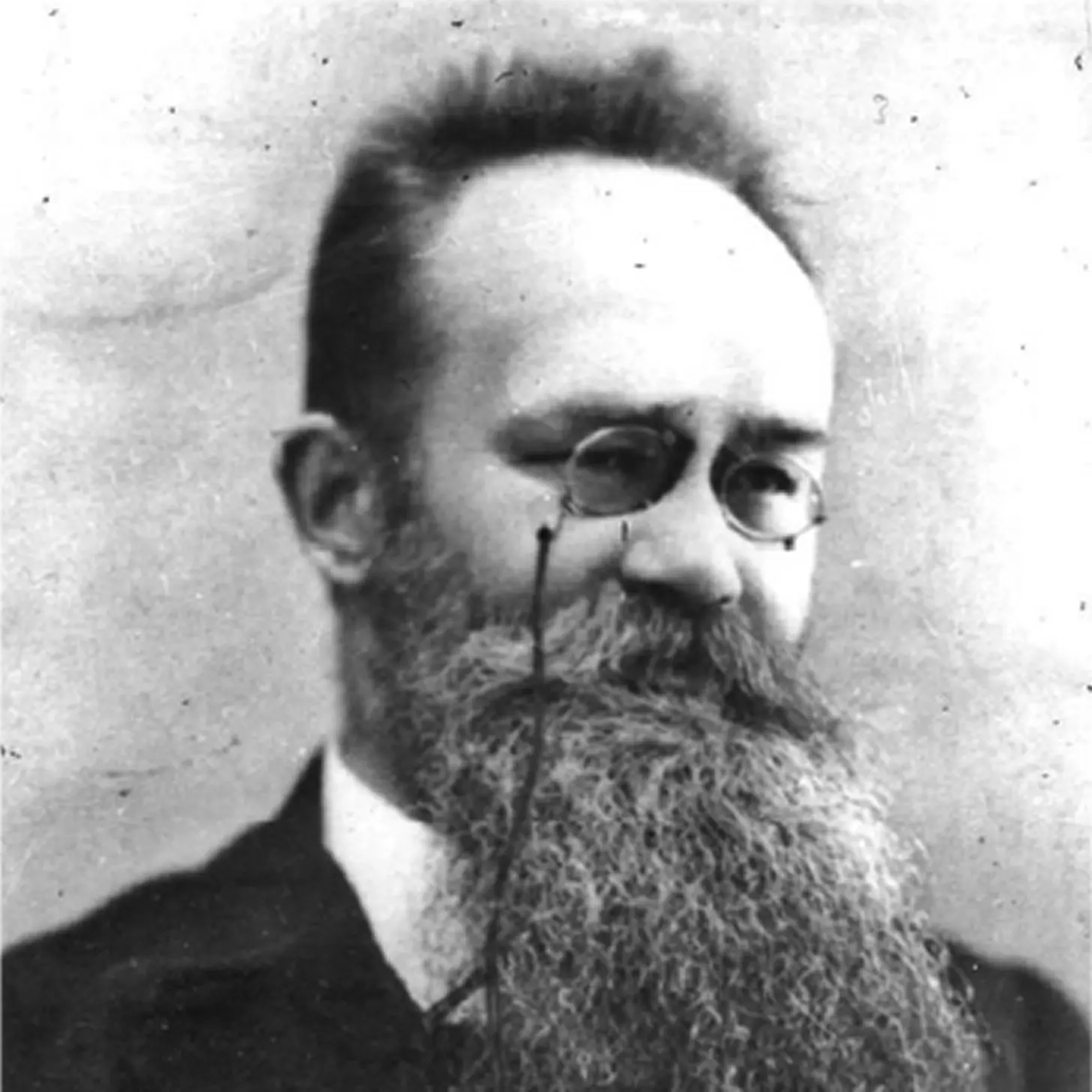
Each of us recognizes Hrushevskyi’s face from the portrait on one of the most commonly used hryvnia banknotes. Many know him as one of the charismatic leaders of our state during the Ukrainian Revolution of 1917–1921 and as the head of the Central Rada. But professional historians can tell his story best, since the discipline itself owes the emergence of Ukrainian history as a fully-fledged field to him. It was Professor Hrushevskyi who, in his multi-volume History of Ukraine-Rus, despite the Russian imperial context, succeeded in proving and substantiating our right to our own subjecthood and to the millennia-old heritage of ancient Rus. Hrushevskyi not only dreamed of Ukraine but also filled this dream with meaning.
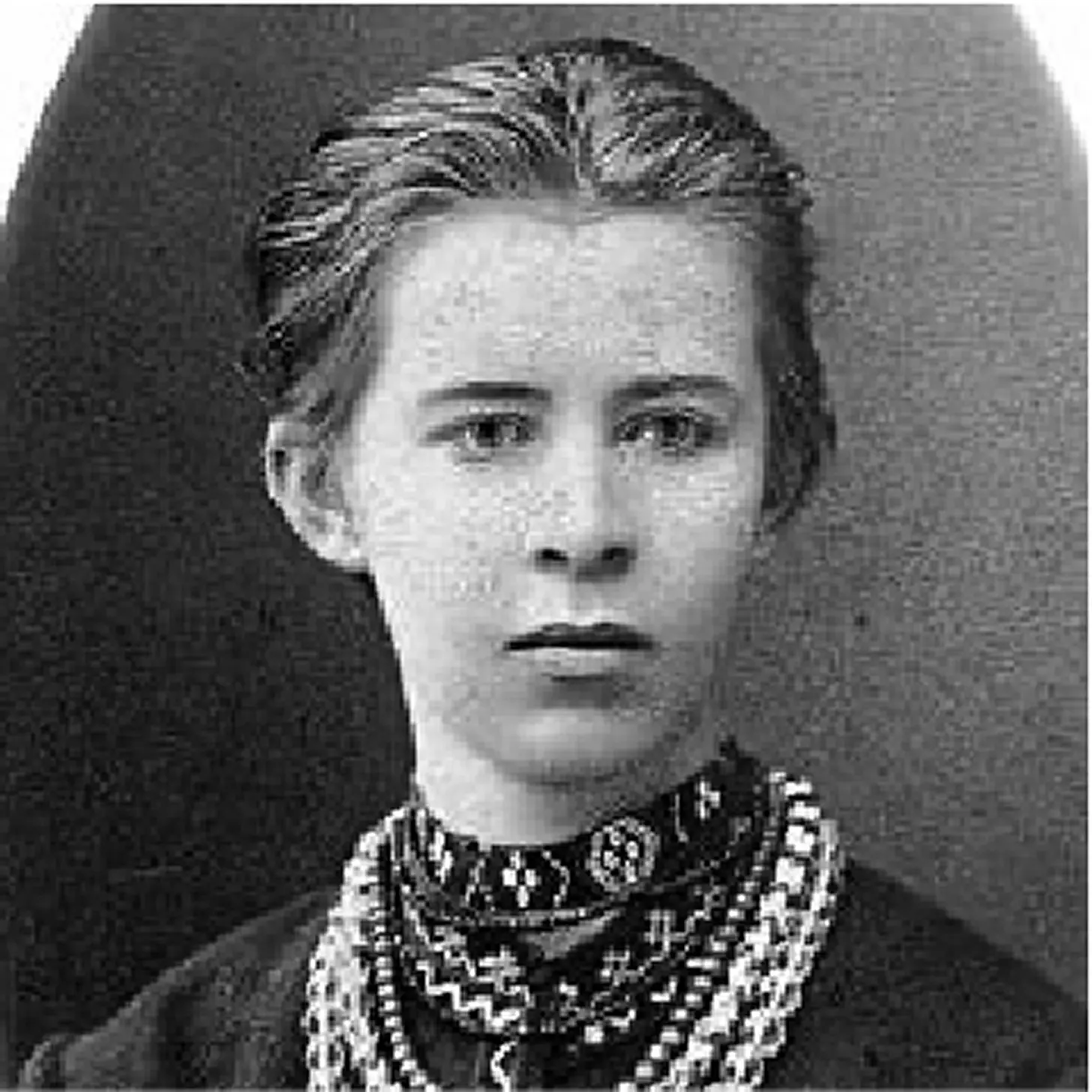
Arguably the most celebrated Ukrainian woman in her homeland. A thinker whose pen was incredibly sharp, putting overreaching imperialists in their place one moment, and in the next devoted entirely to gentle pursuits — writing children’s tales and romantic poetry. She knew 10 languages and translated works from Latin and Ancient Greek, covering both the popular European authors of her time and classical texts.
Defying suffocating stereotypes, she was successful, witty, and a remarkably stylish woman. She maintained her own literary residence, became an icon of “noble feminism,” authored over a dozen volumes, traveled widely, meticulously planned her own funeral, and even a century later continues to spark lively debates about her personal life.
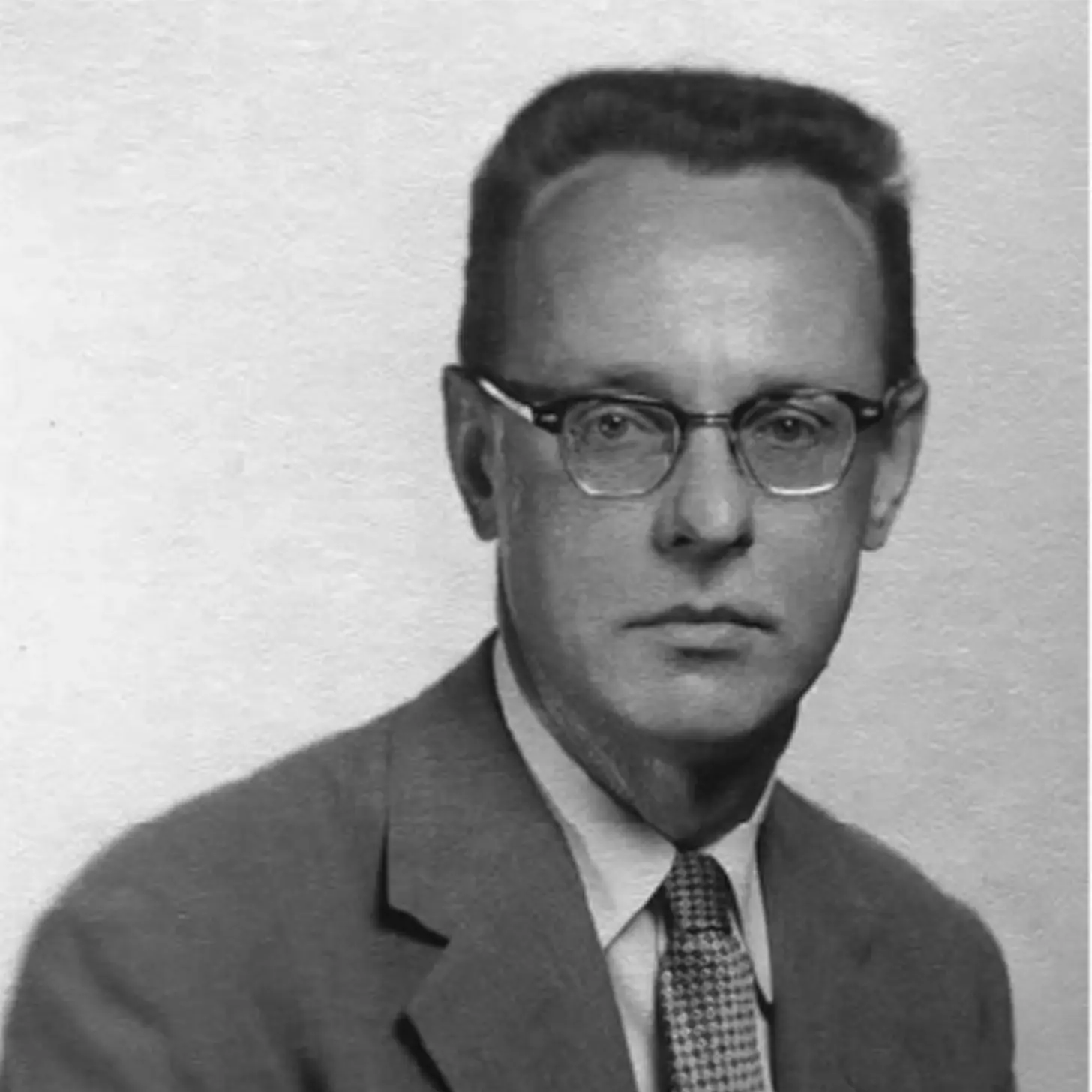
Calling Shevelov merely an “intellectual” would be an understatement — he was a genius. A linguist who, at a sonic level, demonstrated the antiquity of the Ukrainian language and forever debunked the myth of Old Russian being the cradle of three brotherly languages. His life trajectory was dizzying: from German-Russian origins to the conscious embrace of Ukrainian identity.
From the totalitarian 1930s and German occupation, to teaching at Harvard and Columbia University, his journey spanned continents and epochs. He grew up in the Kharkiv of Khvylovyi and Kurbas, matured in postwar Munich, and became a star of Slavic studies in New York.
At the same time, for decades he continued to produce brilliant critical writings on culture “not for children.” Shevelov embodies the Ukraine of the 20th century: still little known, yet undeniably of global significance.
