Sometimes it so happens that a person is born in one place, but becomes world-famous somewhere entirely different. On what today is Ukrainian land, many renowned people were born who, even if indirectly, are connected to Ukrainian culture.
Stanisław Lem was born in Lviv — and became the father, heart and driving force of Polish science fiction.
Shmuel Agnon was born in Buchach — and became the first Israeli to be awarded the Nobel Prize in Literature.
Paul Celan came from Chernivtsi — and became one of the most significant German-language poets of the 20th century.
Volodymyr Horowitz was born in Kyiv, emigrated to the United States, and became one of the most famous pianists of all time.
Sonia Delaunay was born in Odesa — and earned fame in France as a pioneering Art Deco artist.
Serge Lifar was born in Kyiv — and became one of the greatest dancers of the 20th century in Paris.
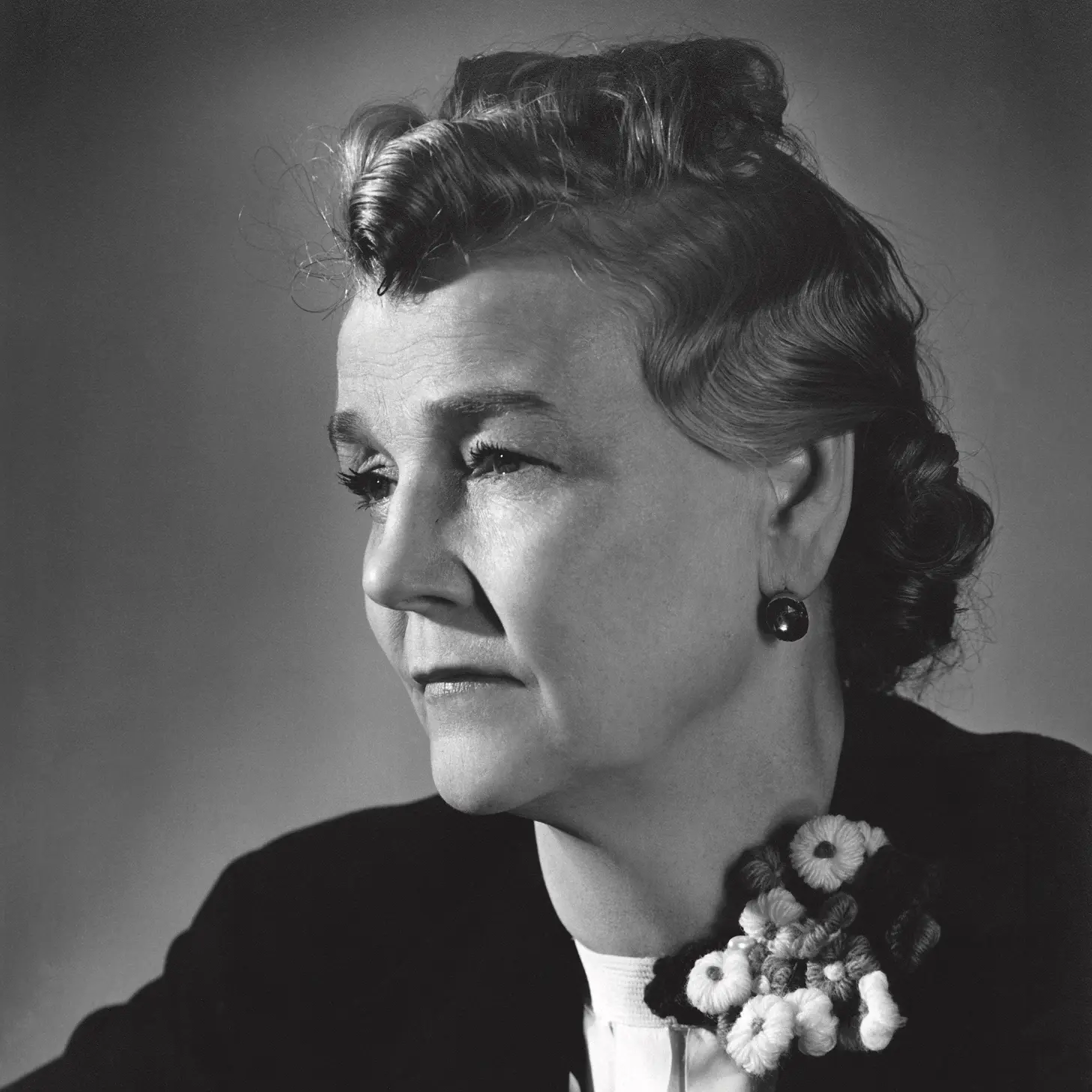
The life of Barbara Karinska, a Kharkiv native and daughter of a wealthy merchant, could easily fill a multi-season series. 3 marriages, the premature death of her first husband, move to Moscow, escape to Crimea, the Bolsheviks’ nationalization of all her property, forced emigration, secretly smuggling family jewels in the lining of her coat and money between the pages of Karl Marx’s books — and starting again from scratch.
Then came a brilliant career in Europe: in Paris — her own atelier and collaboration with Salvador Dalí; in London — work with the legendary photographer and costume designer Cecil Beaton.
Karinska arrived in the United States when she was already over 50, but by then she had the status of a star — so success followed quickly. Marlene Dietrich, Vivien Leigh, and Judy Garland appeared on screen in costumes she designed. For her work on Joan of Arc, Karinska received the highest award in cinema — the Academy Award.
She designed costumes for 75 productions of the New York City Ballet, founded by the legendary choreographer George Balanchine. In 1950, for his ballet Symphony in C, Karinska invented a new tutu: instead of the pancake-like shape with stiff wire hoops, a light multi-layered tulle skirt. It allowed dancers to almost float above the stage, forever changing the look of ballet. The tutu was called the Powder Puff.
At Ukraine WOW, you can see that exact kind of a tutu. It came from the New York City Ballet, to which Barbara Karinska devoted nearly 30 years of her life. Today, they still speak of her with great love.
