The sight of a khata takes us back to childhood. An apple picked straight from the tree, birdsong in the morning, a grandma deftly shaping varenyky, and a scent you’ve known since you were small; a smell strong enough you can catch it on the porch. The moment you step inside, you get the feeling: I’m home. It’s this safe memory you return to whenever you need support.
Our khatas are unique, as every region of Ukraine has its own architectural features. In central Ukraine, whitewashed walls contrast with green shutters. In Polissia, khatas are built of wood and often painted in bold colors. Near the Black Sea, walls in every imaginable shade of blue are paired with warm terracotta roofs. These differences speak not only of climate or building materials, but of ways of life, its pace, and ideas of beauty and homeliness shaped over centuries.
We have recreated the facades of 4 khatas — look how beautiful they are! The first 3 houses were documented in a photo book by the Old Khata Project, which explores Ukraine’s rural architecture. The fourth house is traditional for Crimea, and its facade was recreated with the help of Alim Aliev, founder of the literary project Crimean Fig / Qırım inciri.
And while you’re in this hall, don’t forget to step by the khata of Polina Raiko, the artist who turned her home into a work of art.
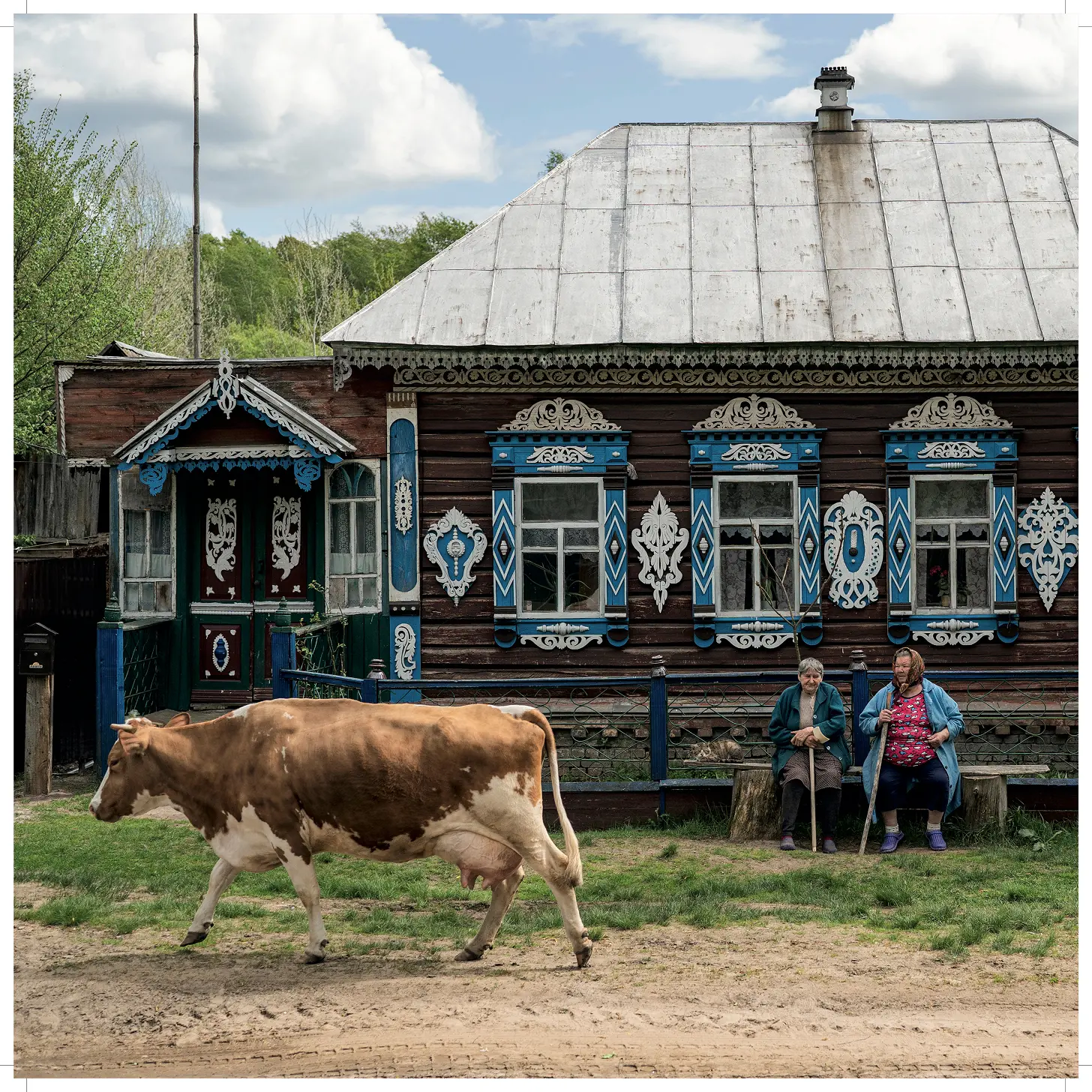
In Chernihiv Oblast, houses have long been adorned with woodcarvings — artisans decorated windows with ornate frames, carved pediments, shutters, and wooden porches. The patterns were often geometric, resembling wooden lace. But this house stands out even among the richly decorated ones. All its carved elements are the work of an extraordinary craftsman, Vasyl Rekun, who created them in the 1960s. His daughter-in-law, Nadiia Rekun, still carefully maintains their perfect condition.
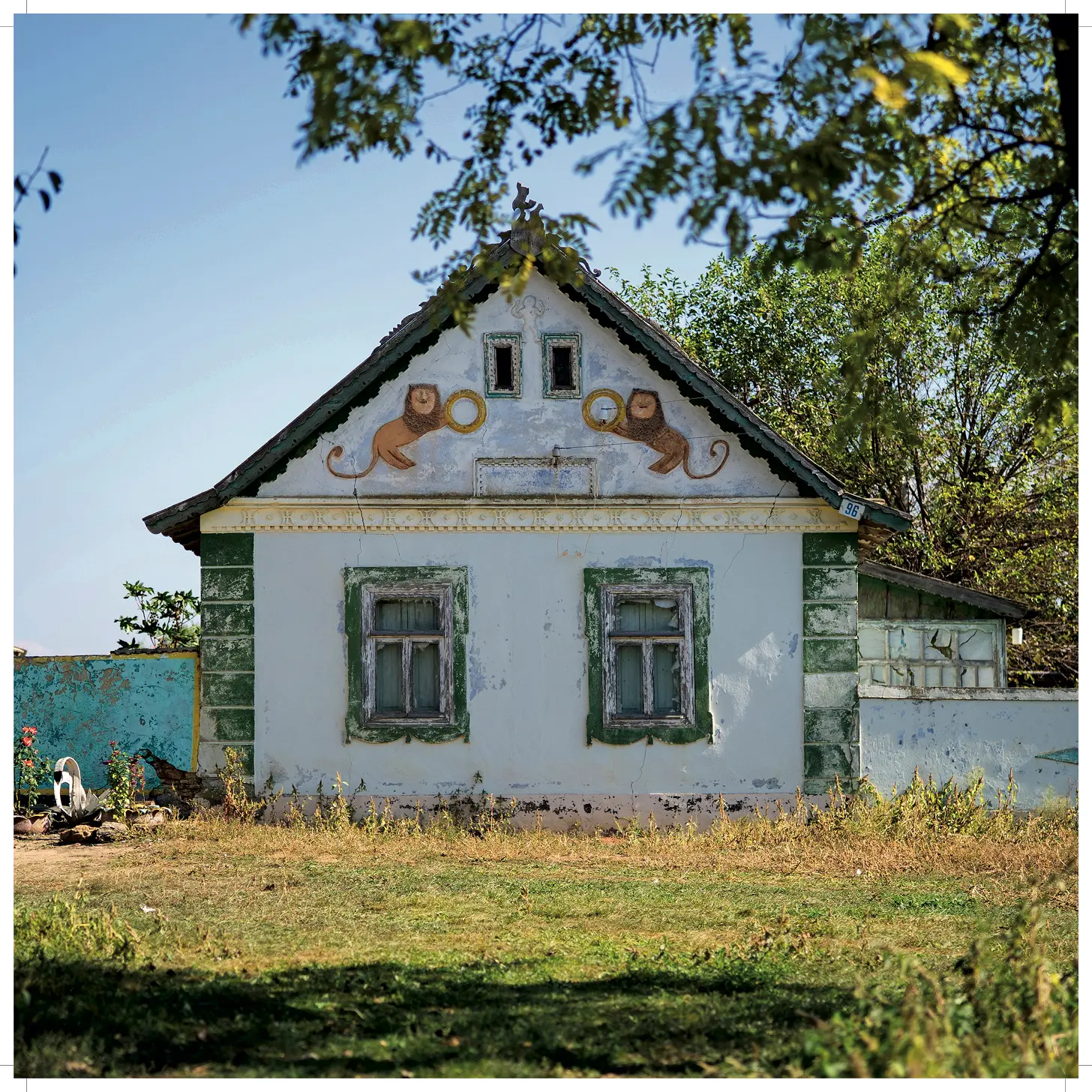
Uspenivka has a remarkable abundance of lions painted on khata facades. Each homeowner painted their own king of beasts, so every lion came out unique: some bared their teeth, others gazed pensively at the world. Sometimes squirrels, wild goats, or human figures appeared alongside them.
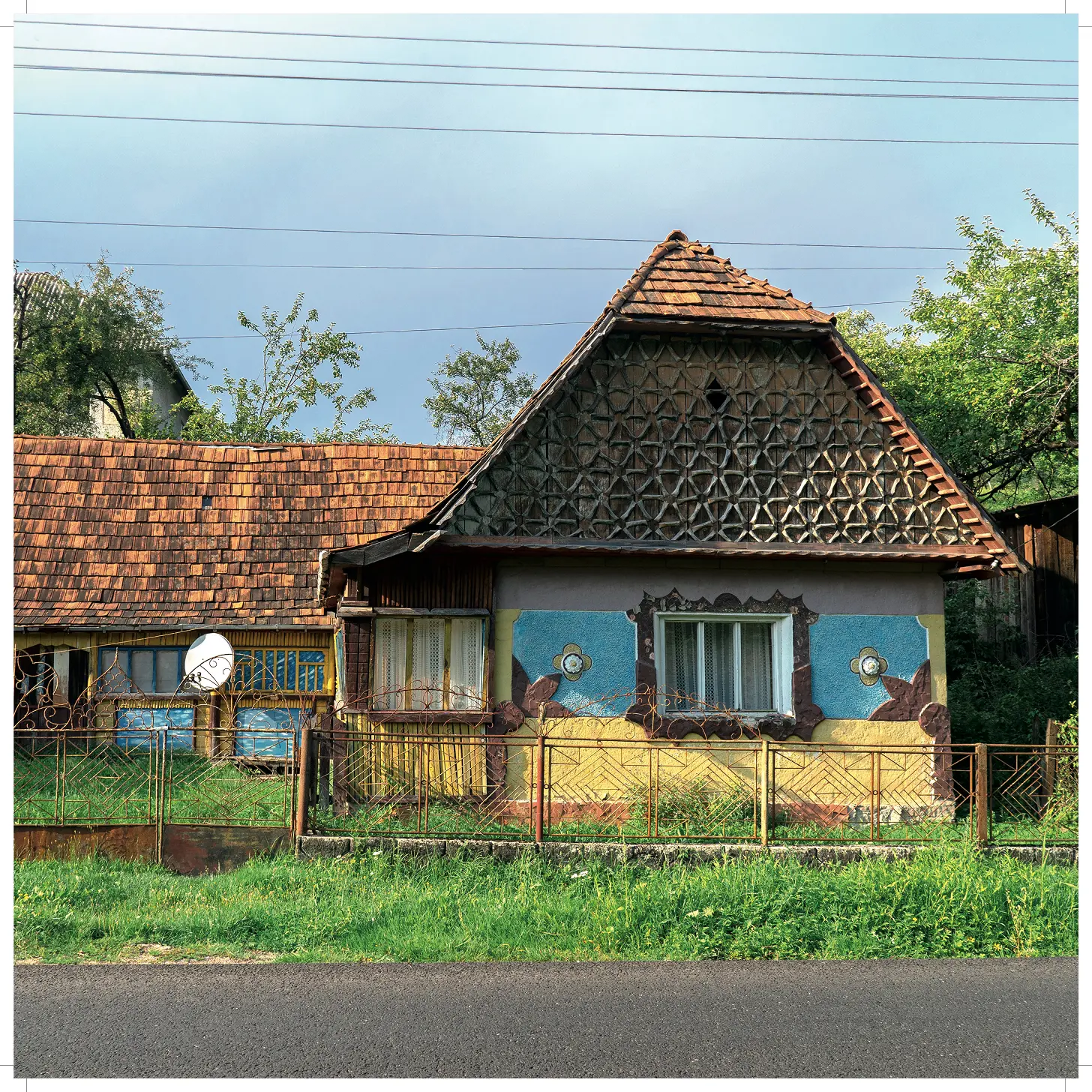
This little khata stands roadside on the Uzhotskyi Pass, between Lviv and Uzhhorod. In the summer of 2021, it was already abandoned, yet it stood out from everything else that the researchers of the Old Khata Project encountered. According to Anna Ilchenko and Svitlana Oslavska, the house is not typical of traditional Zakarpattia architecture — and that is precisely what makes it special.
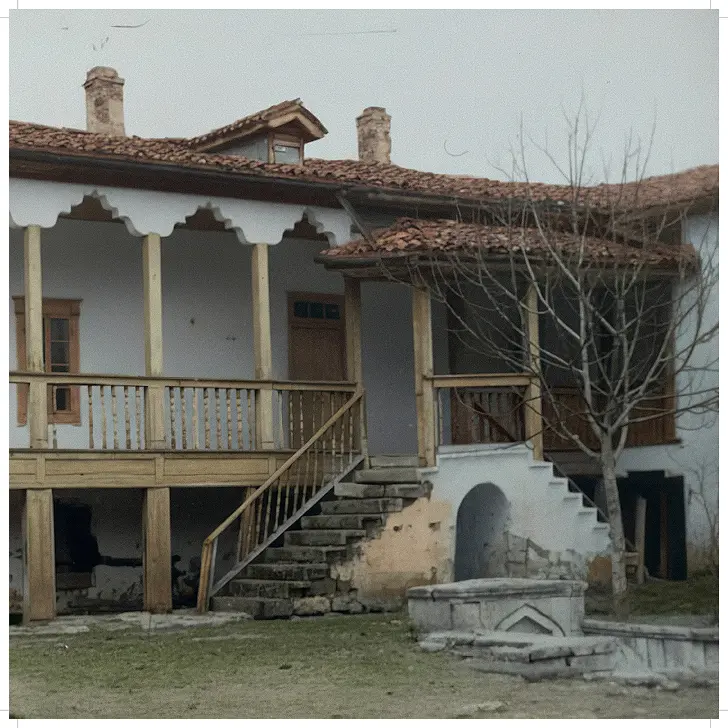
Crimean Tatar architecture is an integral part of the Crimean landscape, seen throughout its cities and villages. Its special features are shaped by the diverse geography of Crimea: mountain, steppe, and coast. Before you is a typical Crimean Tatar house, similar to those found in the Bakhchysarai region. Such houses usually have 2 storeys: the lower floor, made of stone, is used for household needs — a kitchen, cellar, pantry; the upper floor, timber-framed, is for sleeping. It begins with a covered veranda (ayvan) that overhangs the street and stretches along the entire facade. The roof has a slight slope, is covered with tiles and complemented by wide eaves that protect the walls from rain.
Swipe through the gallery and try to guess which region each of these khatas is typical of.
