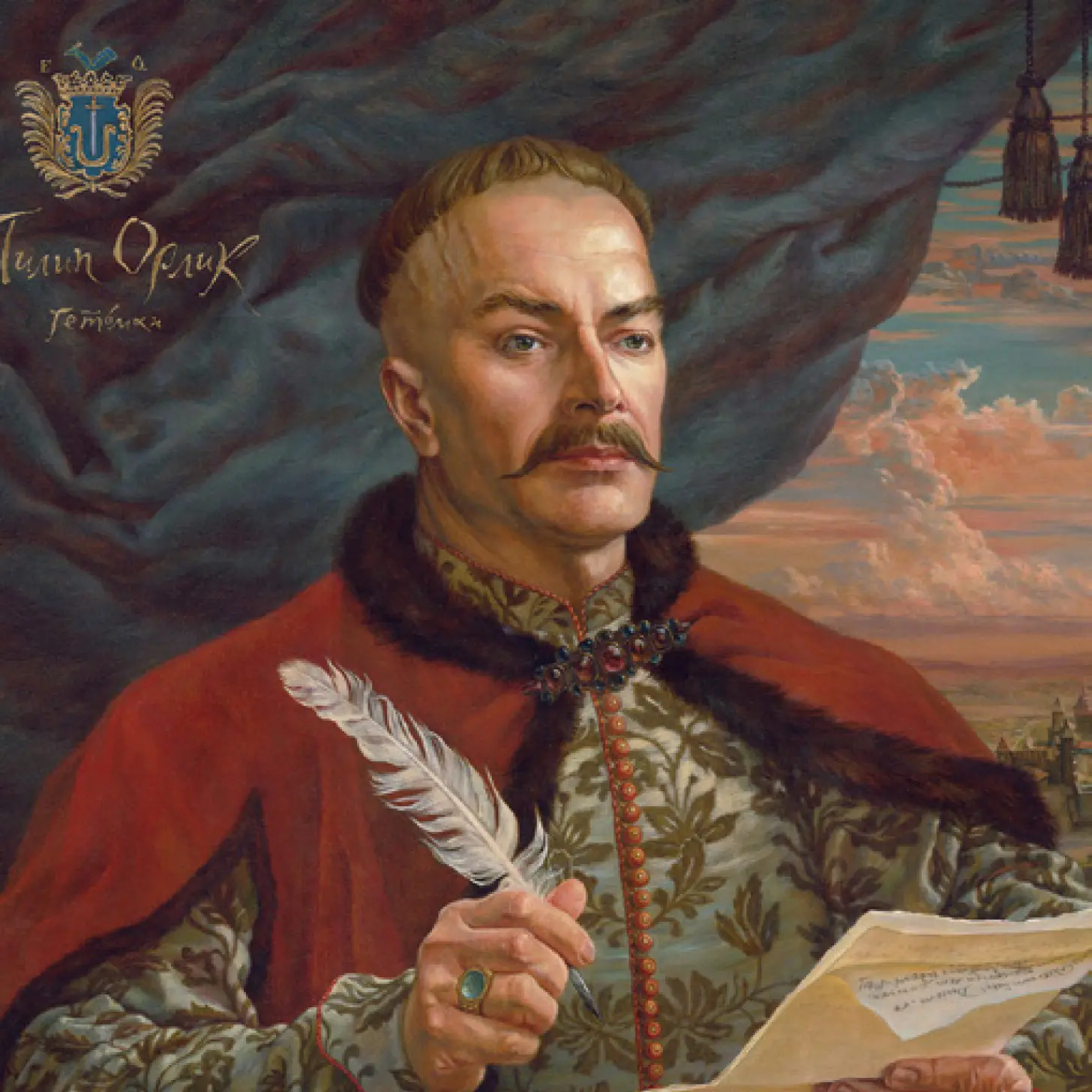
After the Battle of Poltava, Orlyk became the first Hetman to live abroad. His diplomatic energy burned for years: he forged alliances with Sweden, Turkey and Crimea, as well as Polish and Hungarian émigrés — with anyone who shared a common cause in resisting Russia. He never abandoned the idea of returning to Ukraine. Though those attempts failed, they established the tradition of a Ukrainian political diaspora.
While abroad, Orlyk created a document that became a symbol of Ukrainian statehood — the 1710 Constitution. It was built on the “nothing about us without us” principle. That same principle guides Ukraine’s negotiations today: nothing about Ukraine without Ukraine. Written in Latin and Old Ukrainian, Orlyk’s Constitution in many ways anticipated the democratic constitutions of 18th-century Europe.
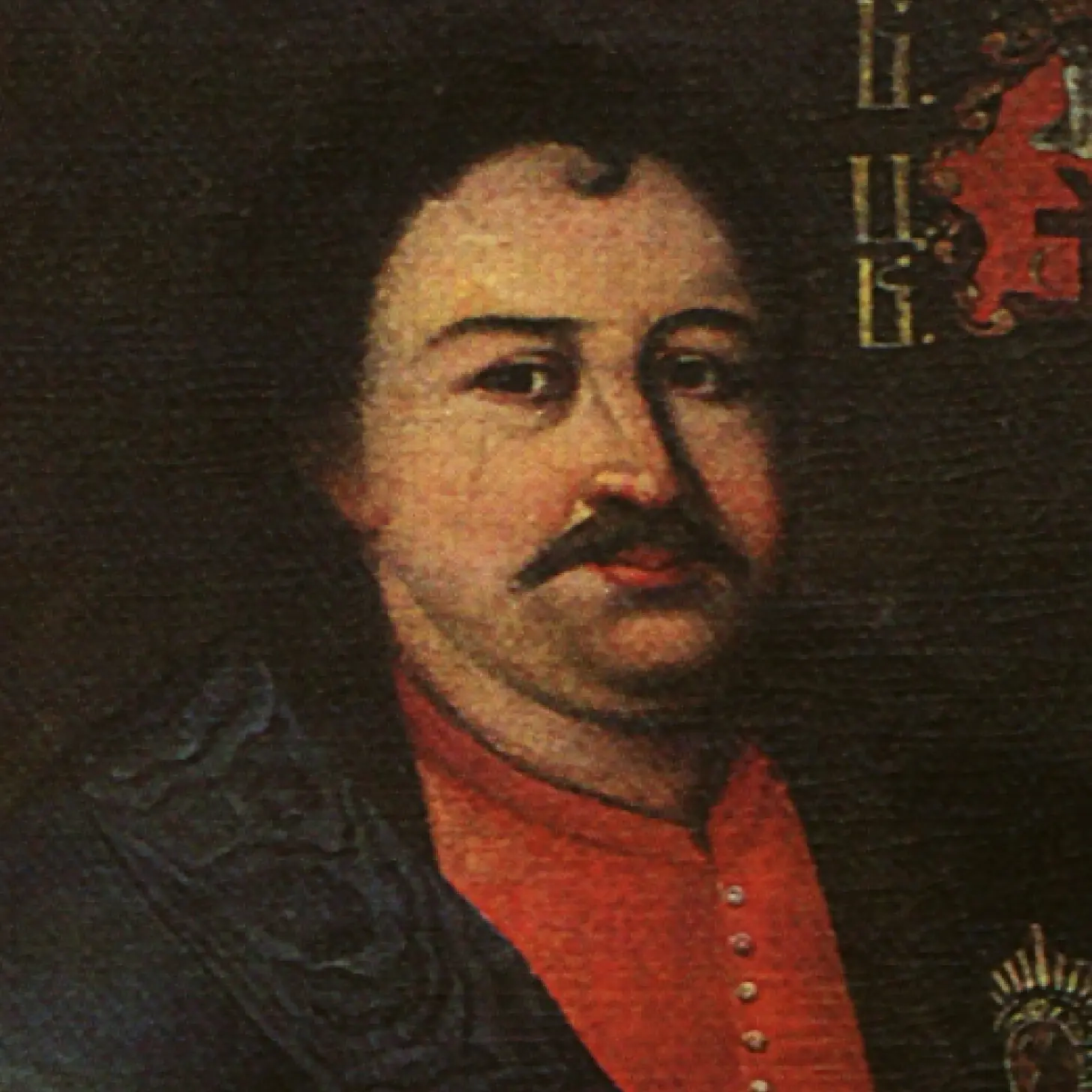
A statesman of a new formation, Mazepa was fluent in Polish, Russian, Tatar, French, Italian, German, and Latin. He was a hetman for 22 years, during which he passionately supported culture and generously funded church construction. Under his rule, about 12 new churches were built and up to 20 were restored.
There is also evidence of the hetman's extensive library. In 1701, Mazepa purchased the luxuriously ornamented Peresopnytsia Gospel, which he later donated to the Pereiaslav Cathedral. Today, every President of Ukraine takes the oath of office on that very book.
Mazepa’s strategy was all-encompassing: refined diplomatic alliances, networks of spies, masterful negotiations with the Polish-Lithuanian Commonwealth, Ottoman Empire, Crimea, and Sweden. Though formally barred from conducting his own foreign policy, he pursued it with determination, forcing the Moscow throne to reckon with the will of Baturyn. Mazepa transformed the Hetmanate into a sovereign state, only nominally under the Tsar’s rule, and into a model European country. His rule was an era of stability, economic growth, and cultural flourishing — a true Golden Age.
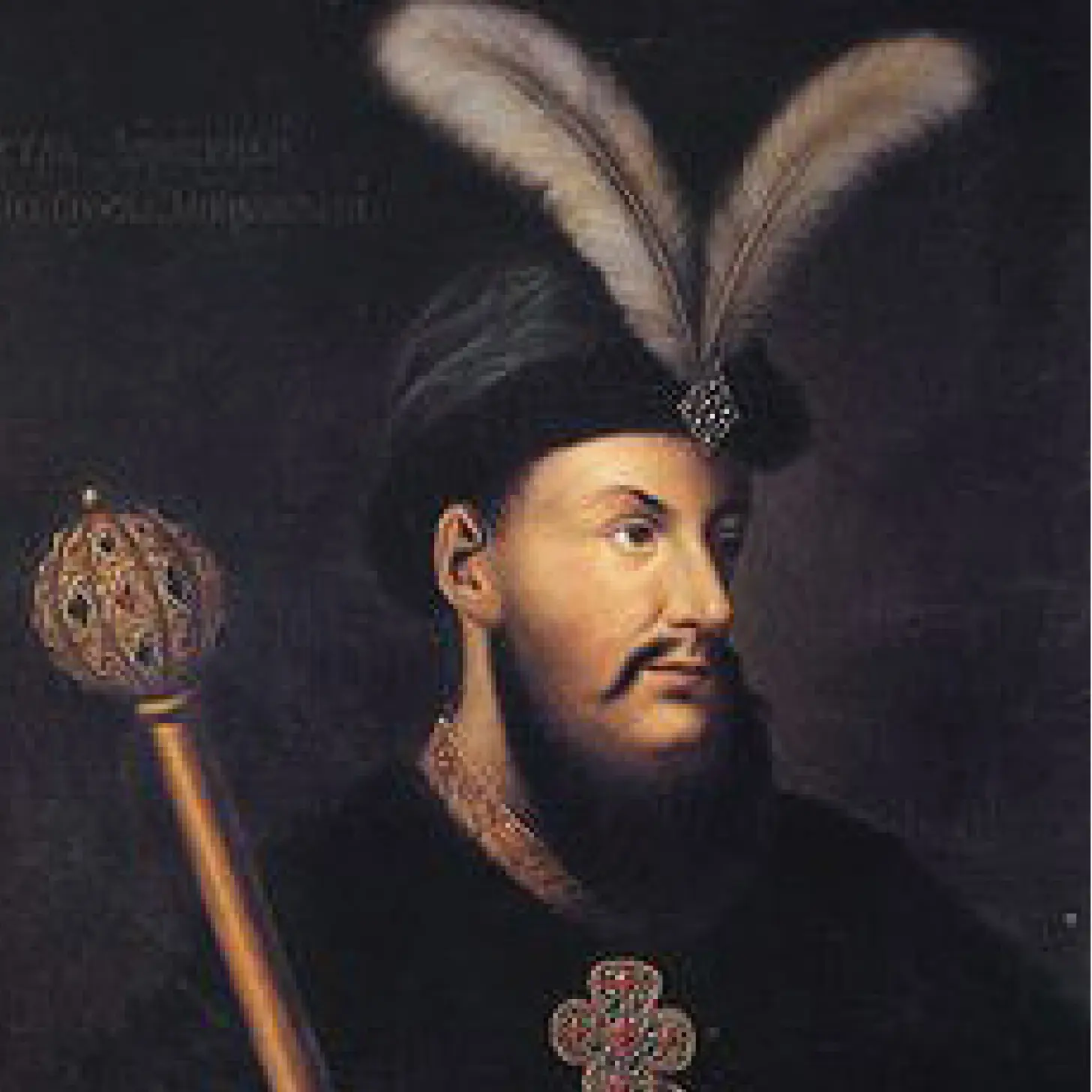
Doroshenko earned the title “The Sun of the Ruin” for a reason: he was the brightest figure in a time when the Hetmanate was torn apart by foreign empires and internal strife. Doroshenko built a brilliant career rising from colonel to hetman. He was a gifted commander who took part in the victorious Battle of Konotop in 1659 and then headed Right-Bank Ukraine, striving to unite it with the Left-Bank Ukraine into a single state. When that failed, Doroshenko voluntarily laid down the mace. He handed it over to the hetman of Left-Bank Ukraine, Ivan Samoilovych, in the hope that he would realize the plan. This step was unprecedented for an age dominated by personal ambitions and betrayal.
Doroshenko lost the battle, but went down in history as a leader with a clear political idea: Ukraine must be united.
The Crimean Khan from the Giray dynasty went down in history as a talented military commander, effective statesman, brilliant diplomat, and reliable ally of Bohdan Khmelnytskyi.
During the 10 years of his rule, Islam Giray turned Crimea into a flourishing state. The Khanate’s revenues increased significantly thanks to successful military campaigns. Muscovy was forced to pay heavy tributes, so substantial that the Khan even abolished the state tax for the entire population.
Islam Giray did not confine himself to relations with the Ottoman Empire but actively established contacts with northern courts — Sweden and Denmark. These diplomatic ties were a unique example of Crimean-Scandinavian interaction. Yet the Khan’s most famous gesture was his alliance with Hetman Bohdan Khmelnytskyi. In 1648, Giray provided the Cossacks with powerful military support — a 20,000-strong army led by commander Tugay Bey. Thanks to this alliance, the first great victories of the Cossack Revolution — at Zhovti Vody and Korsun — were achieved.
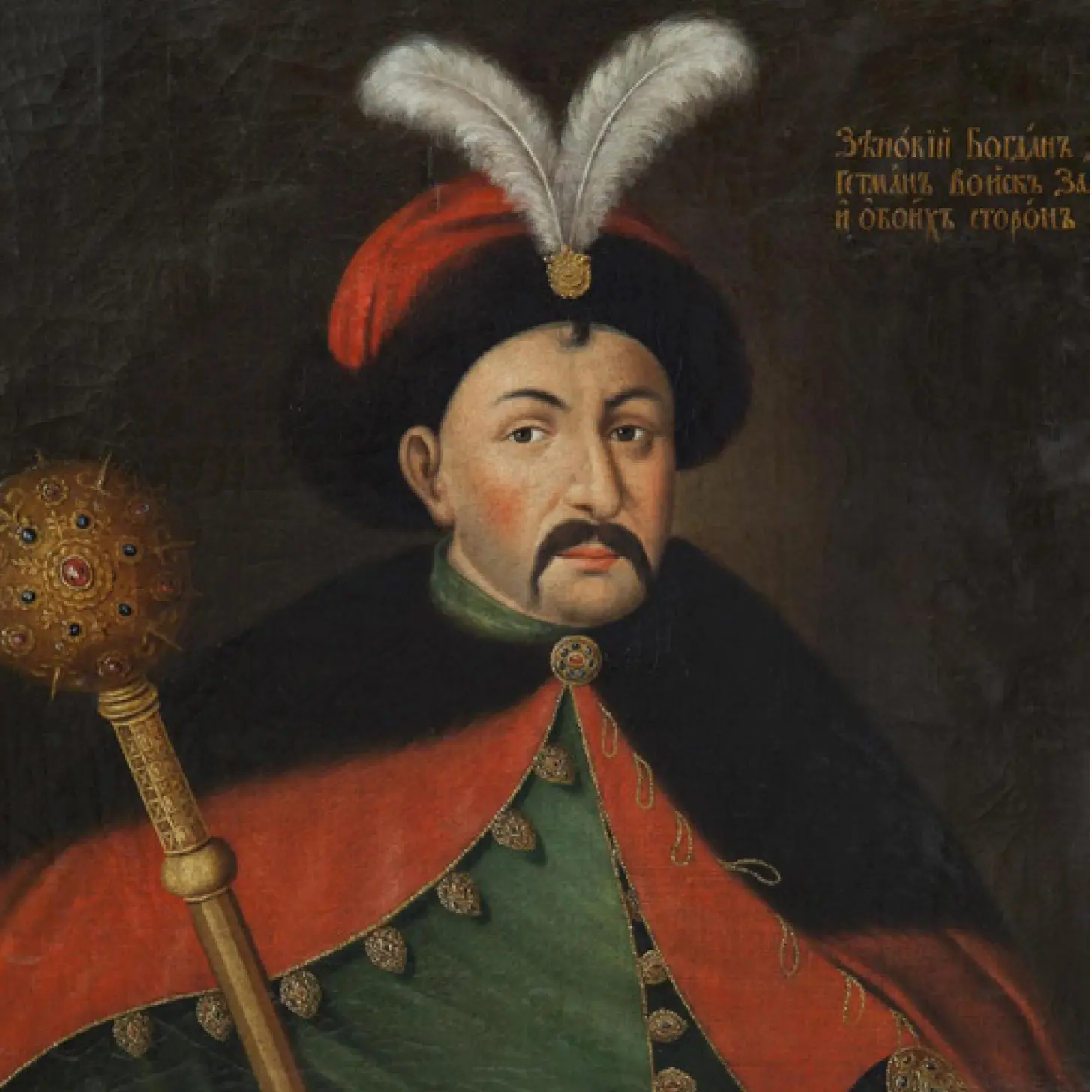
Khmelnytskyi begins the era of great Ukrainian politics. Before him, the Cossacks were primarily an independent military force. Under him, they became not just an army but a whole infrastructure: command, administration, finance, judiciary, treasury, and a service of liaison with European rulers. It is in the Hetman’s letters that the notion of a “Ukrainian state” first appears.
The main goal of Khmelnytskyi after establishing the Hetmanate was to seek military allies who could help secure its sovereignty. The Hetman acted on the pragmatic principle: “there are no eternal allies, but there are eternal interests.” His diplomatic maneuvers led to alliances with Crimea, Turkey, Moldavia, Muscovy, Sweden, and Transylvania. From his capital in Chyhyryn, he corresponded with European chancelleries — doing so in a way that built the image of Ukraine as a serious and strong player.
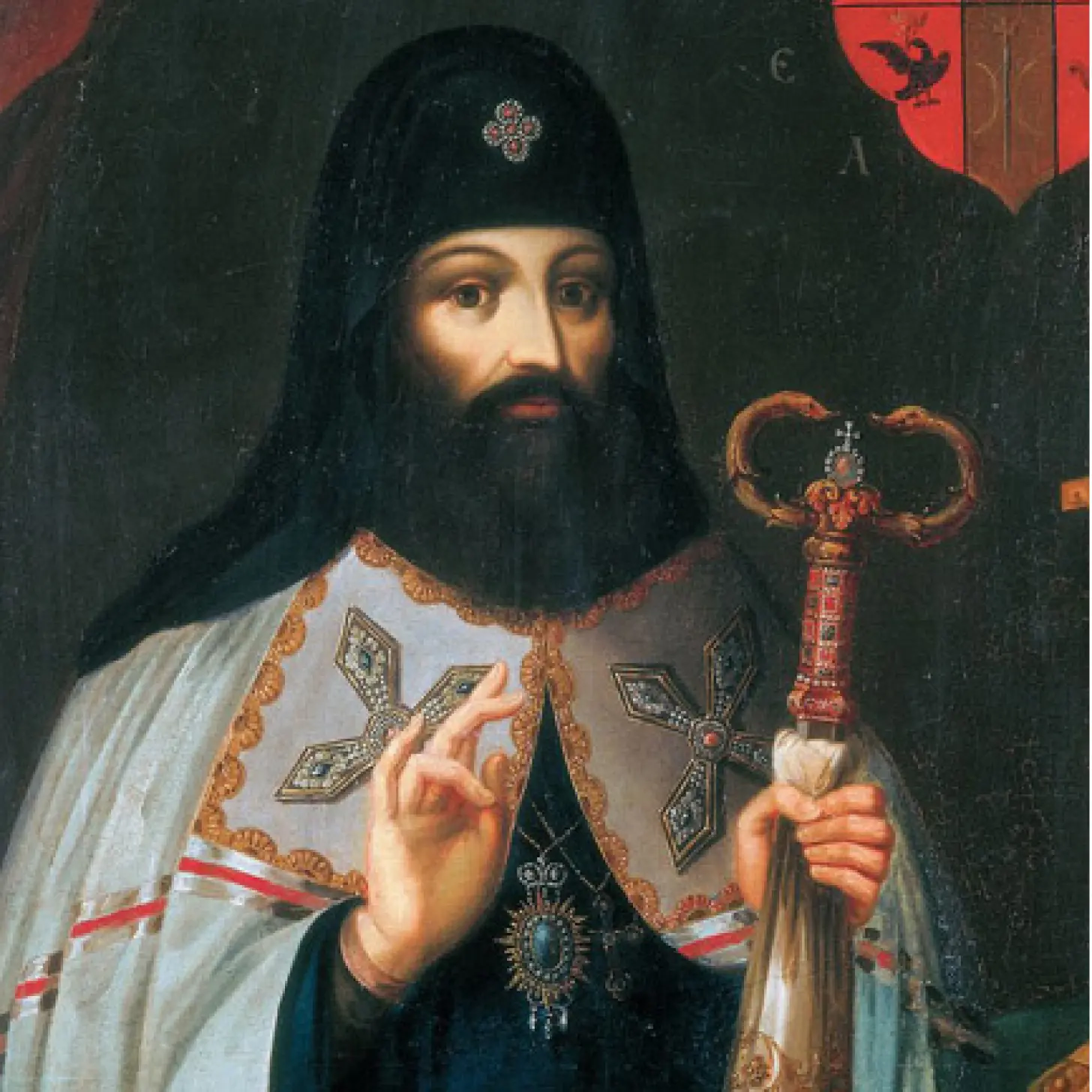
Petro Mohyla was a descendant of an ancient Moldavian family: his father was the Prince of Wallachia and Moldavia, his mother a Transylvanian princess. He could have chosen a life of secular luxury, but instead took monastic vows. In 1632 he became Metropolitan of Kyiv. Yet Mohyla was multifaceted. It is easier to list who he was not than who he was. See for yourself.
As a church reformer, he initiated the creation of the first Orthodox textbook on Christianity — the catechism The Orthodox Confession of the Faith.
As Metropolitan, he oversaw the reconstruction of Saint Sophia Cathedral and the old Church of the Savior at Berestove, the clearing of the remains of the Church of the Tithes, and the restoration of the churches of the Vydubychi Monastery. He also worked to secure recognition of the status of the Ruthenian Orthodox Church as apostolic, so that it would be equal to the Roman Catholic Church.
As a publisher, he expanded the Lavra printing house and systematized theological texts. Ultimately, he authored the Mohyla Trebnyk (1646) — a monumental liturgical book that practically laid out church life step-by-step: from prayers and new liturgical rules to concrete instructions for priests and the organization of services. It was a navigational book for the Orthodox faith.
As an educator, he united the Lavra School and Epiphany Brotherhood School into a single institution — the Kyiv Collegium. It would later become famous throughout Europe as the Kyiv-Mohyla Academy.
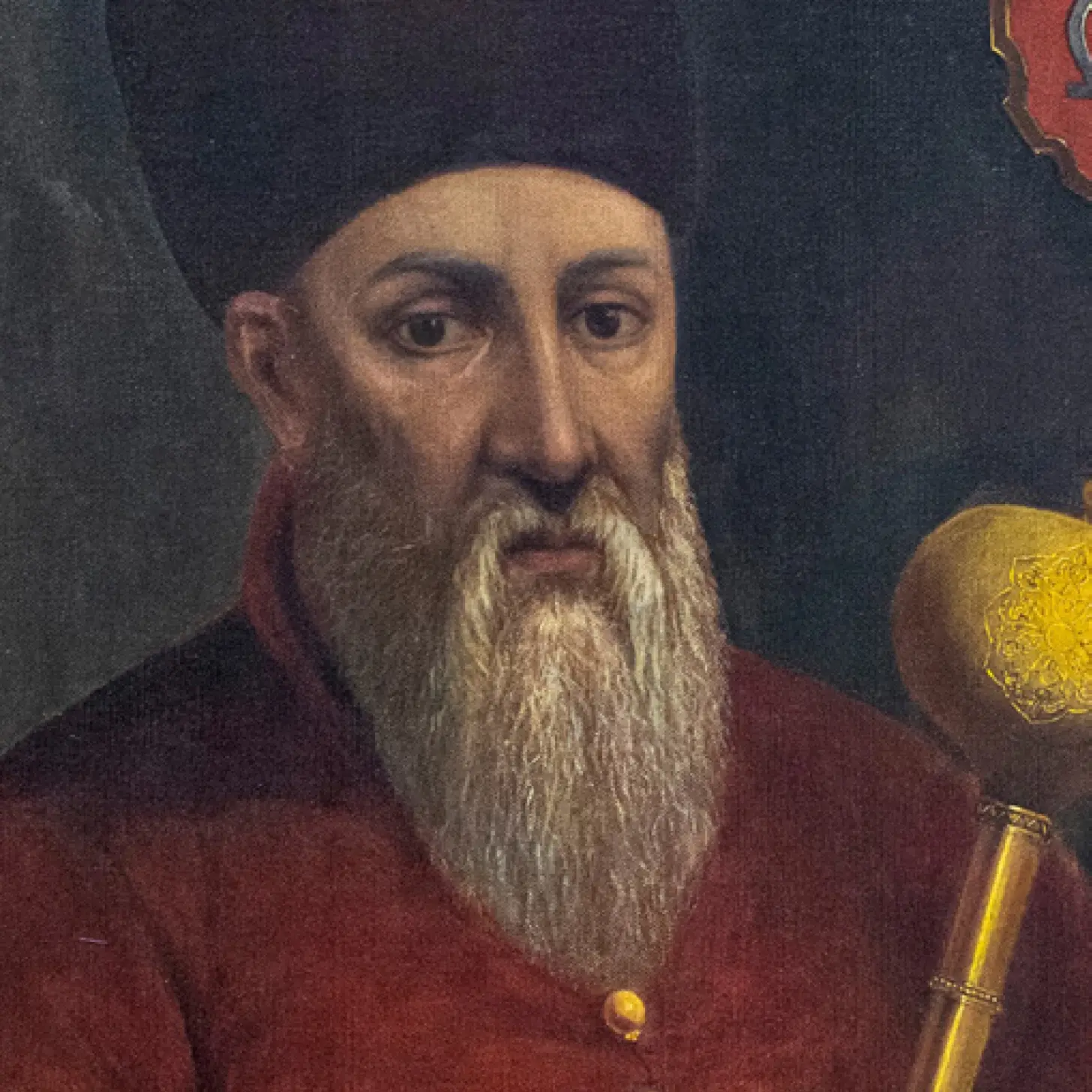
His Cossacks attacked Kaffa, Trebizond, and Sinop. In 1615, they reached the walls of Istanbul. Turkish rulers feared them, and Europe admired them. In 1618, Petro Konashevych-Sahaidachnyi, with 20,000 Zaporozhian Cossacks, took part in the Polish-Lithuanian Commonwealth’s major campaign against Moscow. The allied forces won a series of brilliant battles and sieged the city. The Tsar was forced to come to the negotiating table.
Yet Sahaidachnyi’s influence extended beyond the battlefield. Since the Orthodox hierarchy in the Polish-Lithuanian Commonwealth had been effectively dismantled, Sahaidachnyi, together with the entire Zaporozhian Host, joined the Kyiv Church Brotherhood in 1620, securing the appointment of a new Metropolitan and bishops. He understood that a state could not be built by the army alone. He defended not only borders, but also faith, language, and education — the foundation of our nation.
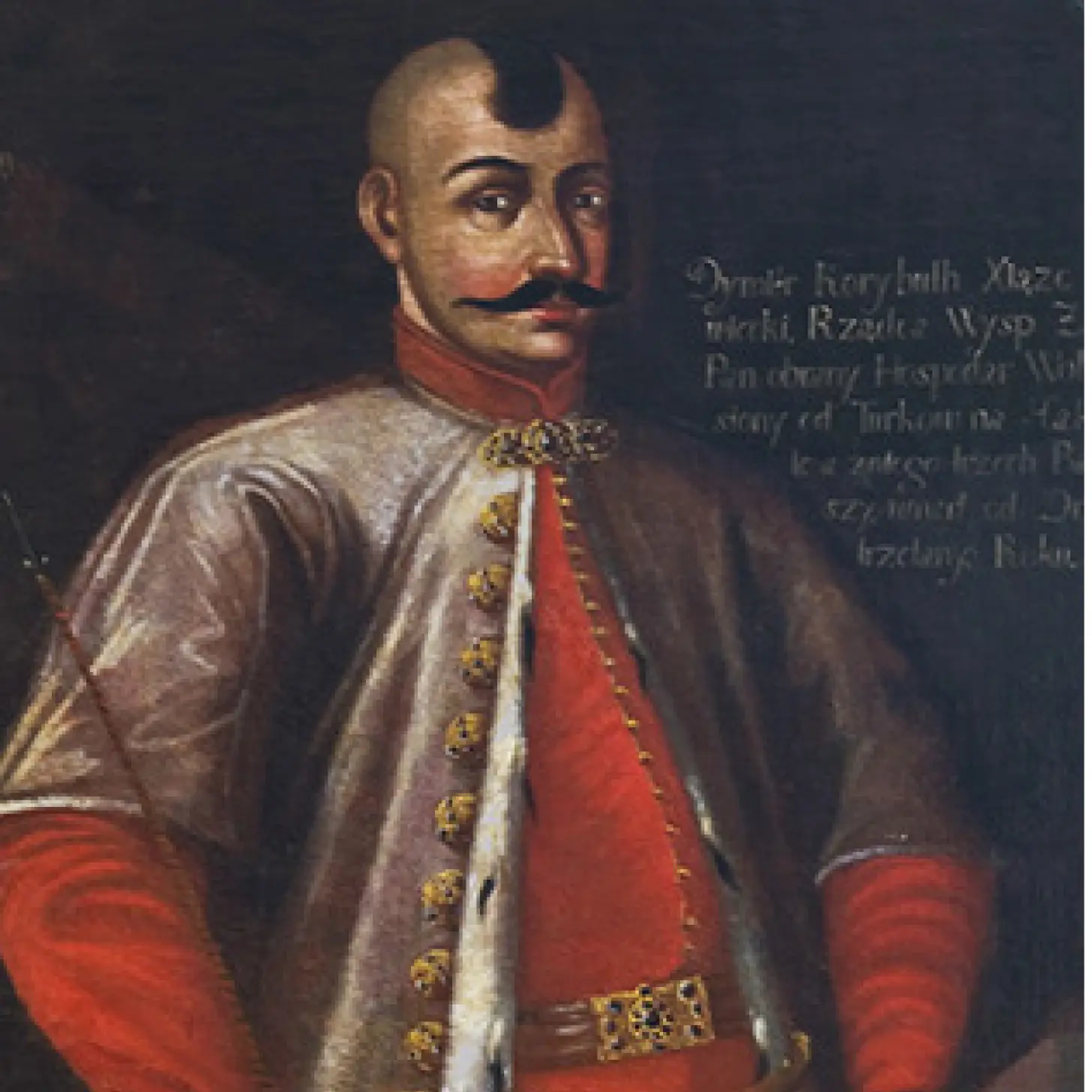
From a young age, Vyshnevetskyi, lacking hope for an inherited family legacy, ambitiously planned to become ruler of Moldavia. But the path to the throne was through the steppe. There, in the Wild Fields, he saw a force that could become his army — the Cossacks. In 1553, the prince personally financed the construction of a fortified settlement on the island of Khortytsia, armed with cannons, and stocked with ammunition and provisions. This was the prototype of the future Sich. For the first time, the Cossacks had an organized base.
Soon, Baida, as he came to be called in Zaporizhzhia, had his Cossacks carry out successful raids on Turkish fortresses at Islam-Kermen and Ochakiv. In 1554, Vyshnevetskyi received the official title of Guardian of Khortytsia from King Sigismund Augustus, cementing his position as the head of a powerful military and political force.
This marked a new chapter in the history of the Cossacks.
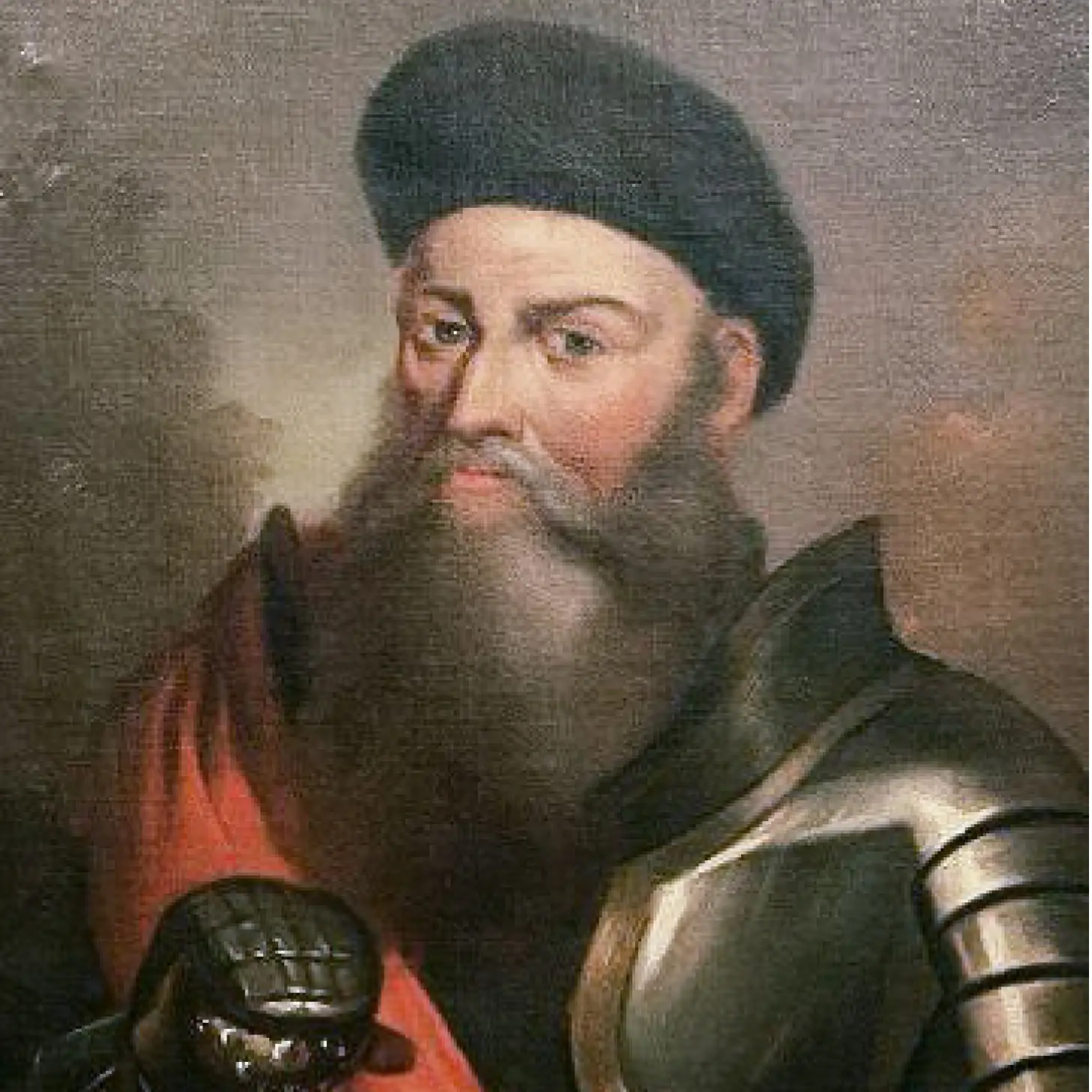
Kostiantyn Ostrozkyi scored one of the most celebrated victories of the Polish-Lithuanian-Ruthenian forces over Moscovia — winning the Battle of Orsha in 1514. The Muscovite army was 4 times larger, yet the prince was not accustomed to retreat. He knew exactly when to use the innovative artillery of the time, when to attack from the flank, when to withdraw his regiments, and when to feign defeat in order to lure the enemy into a trap. During his lifetime, he won 63 battles — not just through strength, but through brilliant tactics that made his name legendary.
His numerous successes on the battlefield paved the way for Ostrozkyi to attain the highest positions in the state. He received the title of Grand Hetman of Lithuania (effectively Minister of Defense), was a respected figure at the royal court, and managed key regions. He was even allowed to build 2 Orthodox churches in Vilnius, a Catholic city; a gesture emphasizing his political weight and independent stance.
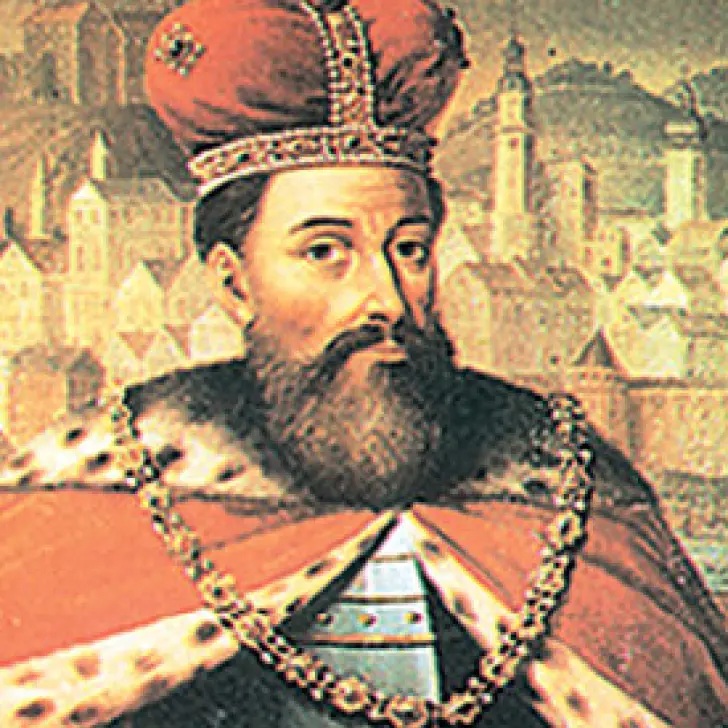
The future Ukrainian king Danylo was very young when his father, Prince Roman, was killed in battle against the Polish army. His mother had to flee with her sons to save their lives.
Danylo grew up and returned — not as an exile, but as a man on a mission, determined to reclaim both his land and authority. Under very unfavorable conditions, he first used the sword, and then diplomatic agreements, to restore control: he made Kholm his capital, building a castle, a large stone residence, and fortifying Volyn. He also founded a city named after his son Lev — hence, we thank him for Lviv!
Danylo worked to make Galicia–Volhynia strong and prosperous. He thought strategically, and used the advantageous position between East and West to control trade that brought substantial profit.
In 1253, Danylo Halytskyi accepted a crown from the papal envoy Opizo, becoming the first and only Ruthenian king in our history. This sent a clear signal: Ruthenia was an independent power with legitimate authority.
From his father, Yaroslav inherited what could be called the foundation of a state: a unified faith, connections with Europe, a system of defensive lines, and a tax system. He not only inherited these, but also improved them.
He began compiling the Rus’ Justice — the first legal code of the land. He developed Kyiv and built a symbol that impresses every visitor to this day — the Saint Sophia Cathedral.
Under Yaroslav’s rule, Kyiv became a true European capital, and Sophia was not just a grand cathedral and residence of the Metropolitan of Kyiv, but also the first library and educational hub of Rus’.
Ultimately, Yaroslav made a truly strategic move — he married his daughters and sons into royal families, earning him the nickname “the Matchmaker of Europe.”
Later, Yaroslav came to be called the Wise. Not because he knew everything, but because he was farsighted and thought like a ruler who builds not just for himself, but for future generations. For us.
Volodymyr ruled a state that was a mosaic of tribes, traditions, and beliefs. The prince sought to change this and had a plan — he chose a religion and a God already honored by the world, especially Byzantium (think of it as today’s Brussels and Washington combined). Such partnerships were crucial for Rus’.
In 988, Volodymyr was baptized in Chersonesus, Crimea. He then baptized Rus’ in the Dnipro River. To consolidate this choice, he built the Church of the Tithes — the first stone church in Kyiv. Not just walls, but a monumental statement: from now on, his state had a faith, culture, and a respected place on the world map. Christianity became not the private affair of the prince, but a program for the entire country. During Volodymyr’s reign, the fortification and construction of the new Serpent’s Wall began — an ancient system of defensive earthworks, designed to protect Rus’ southern borders from steppe raiders. Volodymyr introduced the first coins in Rus’ — gold and silver pieces stamped with the trident, affirming the state’s economic and political independence.
At Ukraine WOW, you can see an original silver coin of Volodymyr the Great.
THE ORDER THAT UNITES GENERATIONS
The Order of Princess Olha is a symbol of continuity, linking the first female ruler of Kyivan Rus’ to modern Ukrainian women who are changing history. It was established in 1997 and is awarded for outstanding achievements in state, industrial, public, scientific, educational, cultural, and charitable spheres.
Before you are the Orders awarded to Olympic champion Yaroslava Mahuchikh, writer Oksana Zabuzhko, and former Ambassador of Ukraine to the United States Oksana Markarova.
At a time when states were ruled by men, Princess Olha broke the rules of the game. She became the first woman on Ukrainian lands to take power into her own hands, the first Christian on the throne, and the first ruler to bring Rus’ into European international politics.
After the death of Prince Ihor, Olha’s husband, the throne was left without a ruler, and his heir Sviatoslav was only a small child. In such circumstances, a woman could have easily become a shadow behind her young son, surrounded by strong and skillful advisors. But Olha took power into her own hands, subordinated the men, and showed that Rus’ was not only about the sword and tribute, but also about order, strategy, and structure. She was the center of this system.
Her next move was diplomatic. Olha understood that the international language of the time was Christianity. So she traveled to Constantinople and got baptized. As a result, Byzantium honored her as wise and farsighted. At her request the German king sent a bishop to Kyiv. Essentially, this was the first attempt to organize the Rus’ Church. From then on, Europe began to see Rus’ as a civilized power.
Almost immediately after her death, Olha began to be venerated as a saint.
A legendary woman — and we are her heirs.
